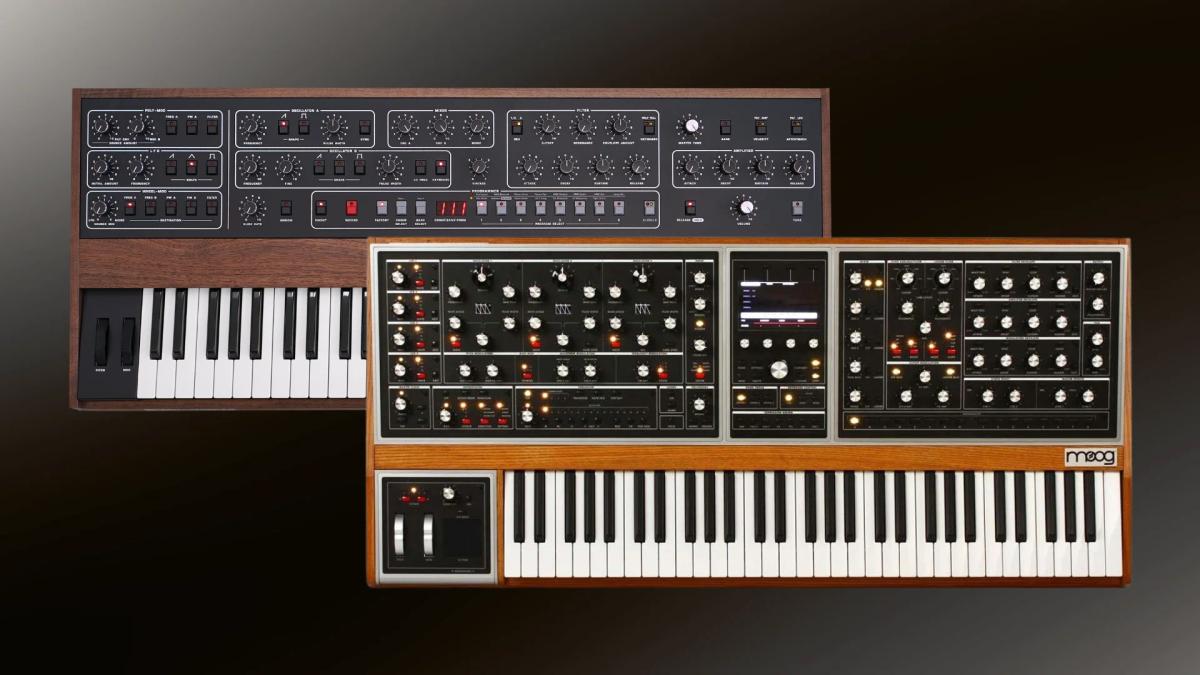
Prophet-10 vs Moog One: which one makes more sense?
He does not name a winner; his conclusion is that the comparison shows the main differences. If you want a direct, vintage-feeling analog poly, the Prophet-10 fits. If you want an instrument that foregrounds effects, modulation and sound-design depth, the Moog One does. He urges anyone seriously considering them to try both in a store, which is the only way to decide at this level.
That is the Prophet-10 vs Moog One decision in short: match the instrument to the sound and workflow you actually want, and weigh the price difference before you commit.
If you can, audition the Prophet-10 and the Moog One in the same room, through the same speakers or headphones, and with the same patch ideas. Start with a basic sound on each, then move on to the kind of part you actually play: a bass line, a pad, a lead or a layered keyboard sound.
Pay attention to how quickly you can get to a sound you like, how the controls feel under your hands and whether you keep reaching for the same instrument. That kind of hands-on time will tell you more about the Prophet-10 vs Moog One question than any list of specifications.
Both the Prophet-10 and the Moog One are premium, multi-voice analog instruments aimed at studios and stages, so the Prophet-10 vs Moog One decision is rarely about whether either one can deliver a good sound. It is more about layout, workflow and which brand’s sonic character fits your music.
Think about how much hands-on control you need, how you plan to store and recall sounds, and how often the instrument will leave the studio. Those practical details usually settle the Prophet-10 vs Moog One question long after the first impression has faded.
Related comparisons
Sources