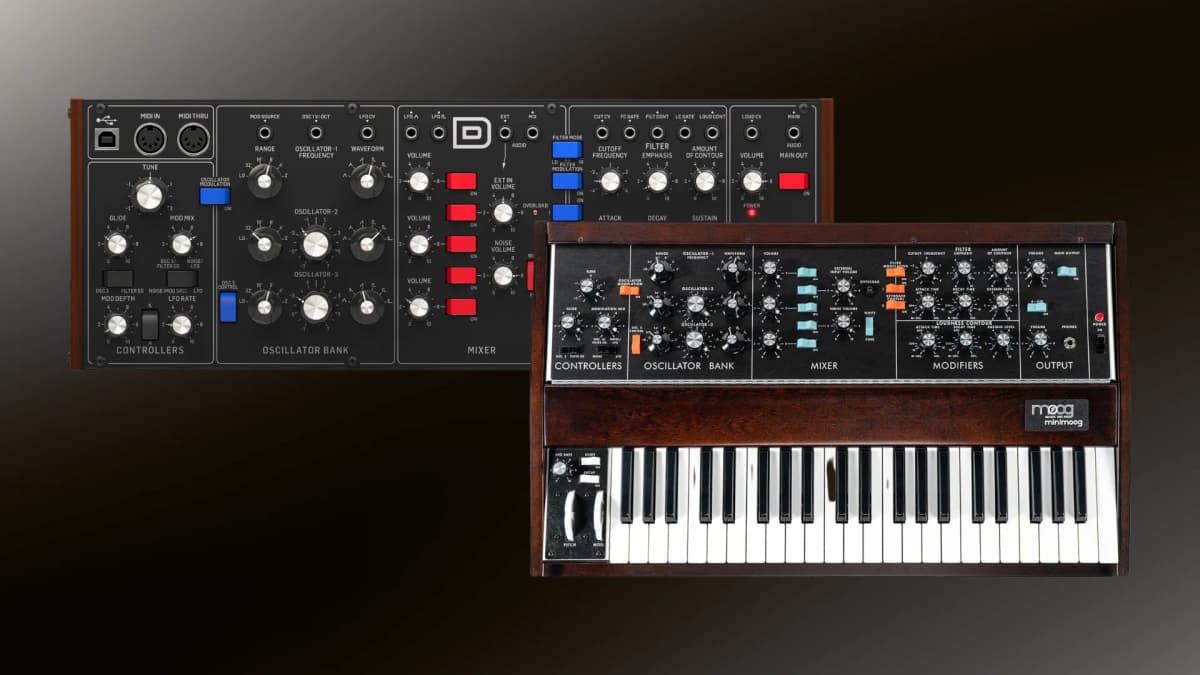
In the Model D vs Minimoog Model D comparison, price and playability matter as much as raw sound.
What a Moog still has that a clone does not
The reviewer does not use his change of heart to dismiss Moog. He argues the opposite: a Moog is more than a brand. He points to Bob Moog’s legacy, to the fact that the company is employee-owned, and to the idea that buying one is supporting a philosophy as much as buying knobs and buttons. A genuine Moog, he says, will hold its value far better than any Behringer, and he calls that a fact that cannot be argued.
His comparison with cars is memorable. People buy cars and take pictures of them regardless of the badge, and being proud of what you have is a state of mind. Wanting a Moog does not make you an elitist, he says, and wanting the Behringer does not make you a musician who only cares about sound.
The Model D vs Minimoog Model D question rarely has a single right answer, because it depends on how you actually work.
Model D vs Minimoog Model D: which one makes more sense?
The Behringer Model D, in his view, should stand on its own terms: a small, well-built, Eurorack-compatible instrument with three voices that sound like an original Model D, at a price that makes it a heck of a good value. The Moog is a different proposition, closer to a statement piece and a piece of music history.
So the choice is less about which synth wins and more about which values you bring to the purchase. If you want the sound at a budget-friendly price, the Behringer makes a compelling case. If the history, the company and the resale value matter to you, the Moog remains in a category of its own.
That is the Model D vs Minimoog Model D decision in short: match the instrument to the sound and workflow you actually want, and weigh the price difference before you commit.
If you are still undecided in the Model D vs Minimoog Model D matchup, think about which controls you would reach for every day.
Related comparisons
Sources