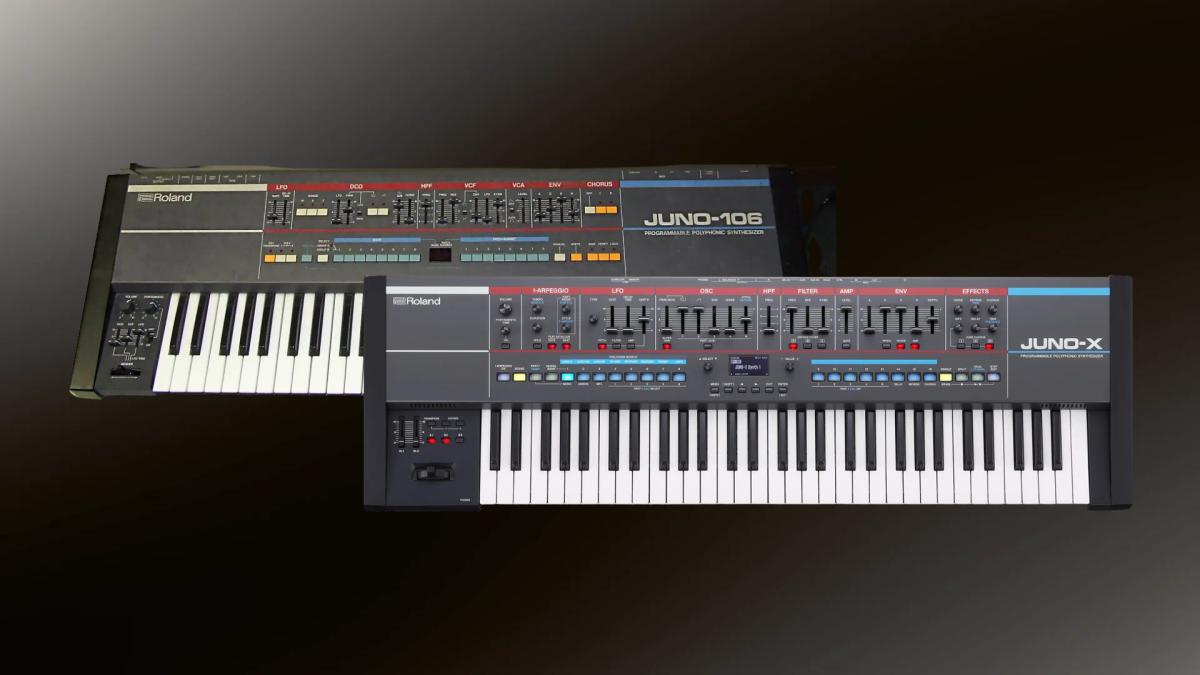
The Juno-X’s expanded architecture lets you dial in the age of the key, which models all sorts of things. If you want it wibbly-wobbly you can exaggerate it, and you can even set the temperature. In the video they have aged the Juno-X to the same age as the 106.
In the Juno-106 vs Juno-X comparison, price and playability matter as much as raw sound.
Look and feel
He loves how the 106 looks, in the sun for years, and finds the Juno-X spot on in design. He confesses it is vain and shallow, but he is pleased that wooden end cheeks are planned so you can give it a 60s feel.
Juno-106 vs Juno-X: which one makes more sense?
Having his young friend play too, his honest answer is that, at roughly the same price point, he would go for the Juno-X. It sounds extremely close, avoids the 106’s noise problem, and does a lot more. Even if you buy it only as a replica, which it is not, he says the new features do not detract from the old.
If you want a vintage object with its character and flaws, the 106 is still the original. If you want to make music with it every day, the Juno-X is the safer and more flexible option.
That is the Juno-106 vs Juno-X decision in short: match the instrument to the sound and workflow you actually want, and weigh the price difference before you commit.
Related comparisons
Sources