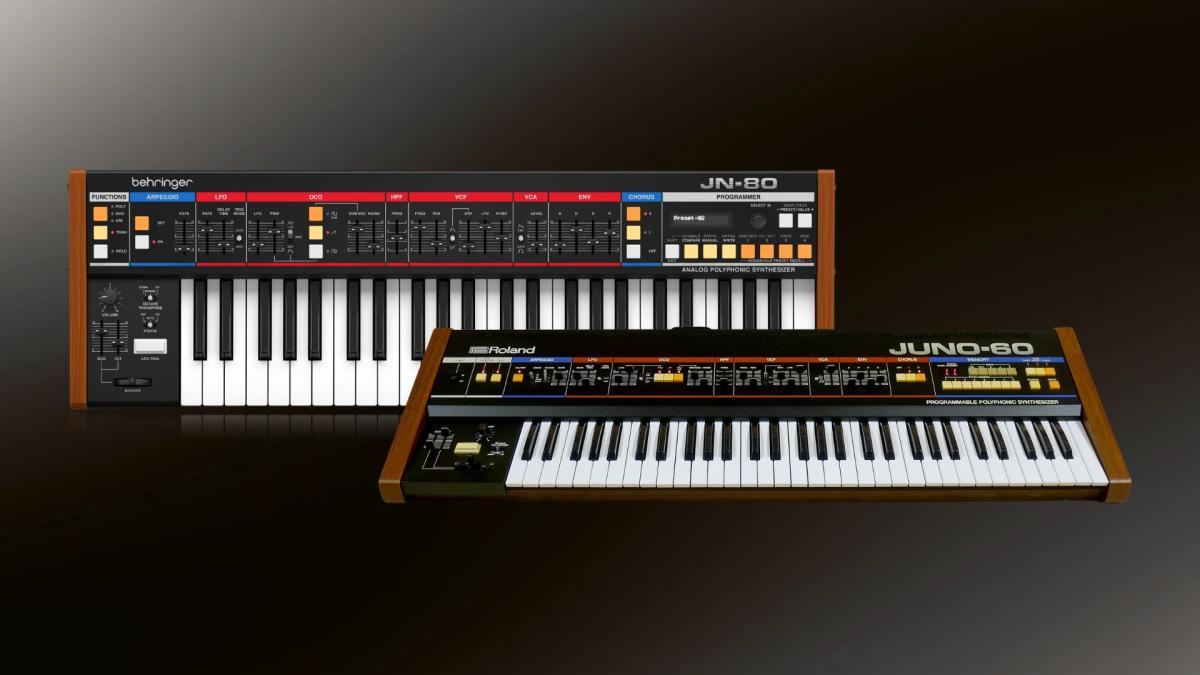
In the JN-80 vs Juno-60 comparison, price and playability matter as much as raw sound.
Envelopes and the click
The envelope timings are distinctly different. The JN-80’s attack time is much longer (around 16 seconds against nine) and the decay time much shorter than the Juno-60’s. He speculates it may be nodding to the Juno-106, which has a longer attack.
Then comes the click. In the Mr. Fingers-style bass he hears a little click and double-trigger at the start of notes, not related to chorus. Turning down the attack removes it but changes the tone. Back in Logic, zooming in on the waveforms shows something peculiar at the start of the wave on square and sawtooth waves, not present on the Juno. He runs out of time and says that once you hear something like that it feels pointless to compare more tones, since you might have a broken unit.
The JN-80 vs Juno-60 question rarely has a single right answer, because it depends on how you actually work.
JN-80 vs Juno-60: which one makes more sense?
Up to the click, his verdict is a yes to the JN-80 as a Juno replacement: the sound is the same, the chorus is great, and the keyboard feels nice. He admits that things like the “raindrop” filter sound feel nicer on the Juno-60. The right reading is cautious: the JN-80 is extremely close, but his review ends with an open question about a transient artefact, which may be specific to his B-stock unit.
If you own one, check it. If you want the original with its steps, longer envelopes and five octaves, the Juno-60 remains the reference.
That is the JN-80 vs Juno-60 decision in short: match the instrument to the sound and workflow you actually want, and weigh the price difference before you commit.
Related comparisons
Sources
Cover image: composite of product photos. Roland Juno-60 photo by deepsonic (Flickr), licensed CC BY 2.0; cropped and combined with other images.