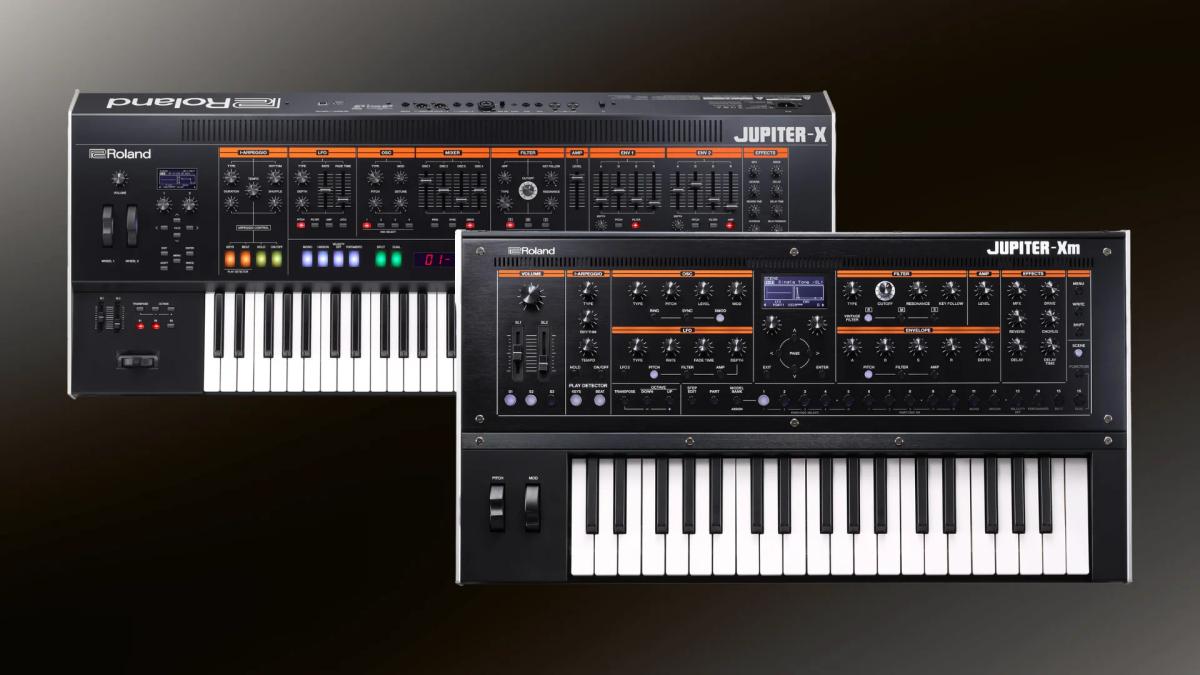
Playing feel and controls
His first impression: that missing connection is gone. When he plays the X, the world disappears; it is immersive, like a great video game. He loves the keys and finds the aftertouch more responsive. The controls feel natural and well placed, although he misses where the Exit button sits on the Xm. He feels more bonded to the X, in the same way as playing his Minimoog; the X feels more right-brain, like painting, while the Xm is like assembling a puzzle.
He finds no huge advantages when it comes to Scene, Part and Tone navigation. The challenges remain, the controls are not much different, and the extra real estate does not bring many more of them. The X’s sliders and extra wheels are nice. The menu display placed off to the left turned out to be a non-issue.
Speakers, portability and price
The speakers are the same on both. He uses them for quick sessions and found that adding a subwoofer makes a huge difference. The X is as large and heavy as it looks, a real throwback to the Jupiters of old. The Xm is more portable for the road and stage, and it fits well on screen for demos.
He admits he had puzzled over Roland’s decision not to diversify the two synths, thinking the Xm should be entry-level and the X for professionals, but now believes he was wrong. The X costs about $1,000 more.
Jupiter-X vs Jupiter-Xm: which one makes more sense?
His conclusion is that neither is better: all the power is equally accessible on either. A circle is not better than a square. Do not get in financial trouble to upgrade from an Xm to an X. He is keeping both because they serve different requirements, but thinks few people need both. Choose the Xm for portability, space and budget, and the X if you want full-size keys, a larger layout and a more immersive playing experience.
That is the Jupiter-X vs Jupiter-Xm decision in short: match the instrument to the sound and workflow you actually want, and weigh the price difference before you commit.
Related comparisons
Sources