Build quality and playability
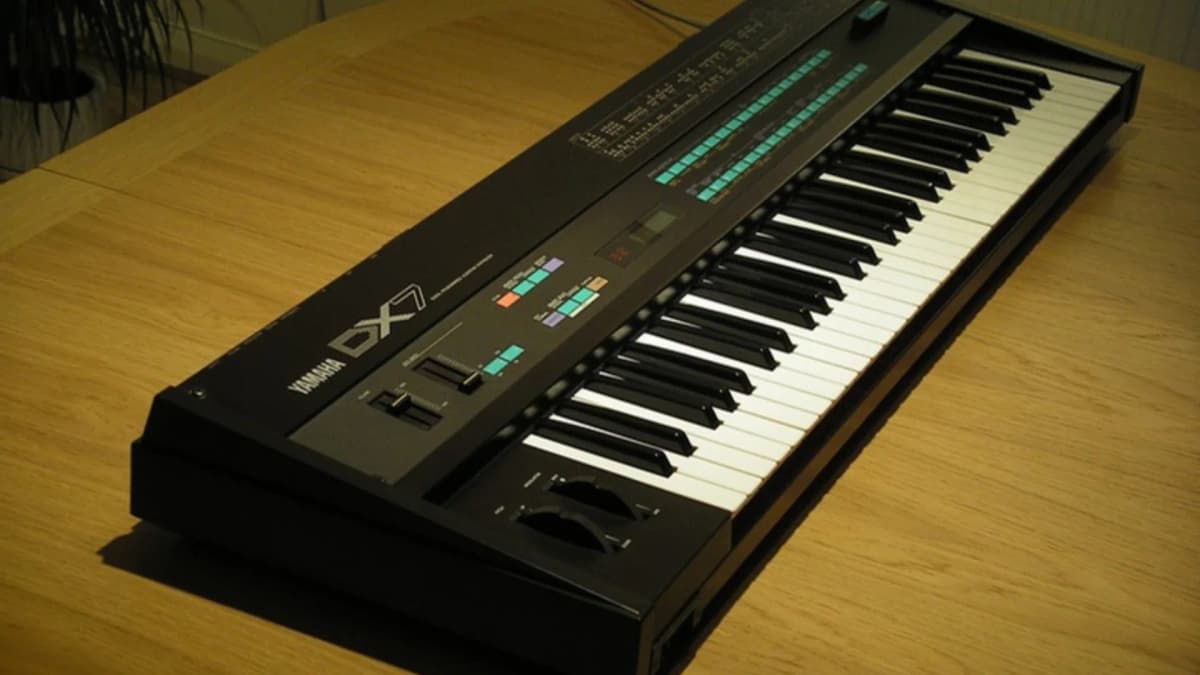
The case is light and sturdy for the money. The 27 silicone keys are pleasant enough to press but are not a substitute for a keyboard, and most serious users end up playing the FM-1 from a MIDI controller. The knobs are the most obvious cost saving: they work, but they feel cheap next to those on a Korg or Arturia product. The small colour screen is sharp and, thanks to the way the edit mode lights up labelled keys for each operator, FM editing is far easier than on a DX7.
A few practical gaps matter. There is no MIDI DIN socket, only a 3.5 mm TRS Type A input, and the adapter is not in the box. There is no power supply either, only a USB-C cable. Owners have also reported early firmware quirks such as arpeggiator sync problems, which later updates have been addressing.
Firmware: the real source of value
The FM-1’s value has grown since launch, which is unusual for a budget synth. M-VAVE’s V15 update in July 2026 added velocity over MIDI, a glide mode, finer parameter ranges and better sequencer recording. Firmware v16, released on October 21, 2026, turned the FM-1 into an eight-part multitimbral synth with 20 shared voices, a 64-step sequencer with an arrangement grid and ratchets, a separate FX library, more MIDI CCs and DX7 bank export.
On top of that, an unusually active community has written dozens of alternative firmwares, from the multi-engine Felucca to the SLOOP groovebox, and M-VAVE responded with its own open-source FM1 Open project and SDK. Few products at any price have changed this much in four months. See Felucca, SLOOP and the stock firmware compared for how to choose.
Where it falls short
- Not a DX7 in sound or feel. Converter and output quality limit the top end, and there is no keyboard worth the name.
- Cheap controls. Knobs and silicone keys are fine for sketching, less so for performance.
- Mediocre effects. Usable, but external effects improve the results a lot.
- No DIN MIDI and no included adapter or charger. Budget a few dollars for accessories; see our FM-1 accessories guide.
- Retail and support. As of mid-2026 it was sold mainly through AliExpress, Temu, Amazon and eBay rather than traditional music retailers, which can make returns and warranty claims slower.
- Firmware churn. Frequent updates are a plus, but features and file formats change quickly, so back up your patches.
Who should buy the FM-1, and who shouldn’t
Buy it if you want to learn six-operator FM programming cheaply, need a battery-powered sketchpad, want DX7 patches in hardware without a laptop, or enjoy experimenting with alternative firmware. It is also a fun second synth for anyone with a MIDI controller.
Skip it if you need a playable keyboard, studio-grade effects, dependable retail support, or the authentic vintage DX7 character. In those cases a Yamaha reface DX, a Korg opsix or a used DX-series synth will serve you better. Our comparison with the Korg Volca FM2 covers the closest rival.
Verdict
At around $70, the M-VAVE FM-1 is worth it for most people curious about FM synthesis. The compromises are real and visible, but the engine is solid, the feature list is long, and the firmware ecosystem keeps adding value after purchase. Treat it as a capable pocket instrument and an open platform rather than a vintage replacement, and it is very hard to beat for the money.
Sources